

Expense visibility is defined as every member of a group having clear, shared access to what was spent, by whom, and how costs are divided. For friends splitting a road trip, roommates sharing rent, or travelers pooling hotel costs, this kind of financial transparency is the difference between a smooth experience and a money argument that lingers for months. The expense visibility benefits for groups go well beyond simple math. Teams without transparent expense management spend 42% more time compiling costs than those with automated tracking. That time adds up fast, and so does the frustration.
1. What are the core expense visibility benefits for groups?
Clear expense tracking gives every person in the group the same picture of what is owed and what has been paid. That shared view removes the guesswork that causes most money disputes.
The primary advantages of group expense transparency include:
- Fewer disputes. When everyone sees the same ledger, there is nothing to argue about. Misunderstandings drop because the numbers are visible to all.
- Better budgeting. Groups that track spending in real time can spot when they are going over budget before it becomes a problem.
- Accountability. Visible spending encourages everyone to contribute fairly. No one wants to be the person who never pays their share when the record is right there.
- Cost savings. Expense visibility helps groups identify duplicate purchases and wasteful spending before money walks out the door.
Pro Tip: Set a simple group rule at the start of any trip or shared living situation: every expense over $10 gets logged the same day. This one habit prevents the pile-up of forgotten costs that causes most end-of-trip arguments.
The budgeting benefit is especially underrated. Groups that can see their spending in real time make smarter decisions together, like choosing a cheaper dinner spot because they already blew the budget on activities. That kind of group financial oversight turns reactive spending into intentional choices.

2. How expense visibility improves group dynamics and trust
Money is one of the fastest ways to damage a friendship. Transparency fixes that by creating what finance professionals call a “single source of truth.” Everyone refers to the same record, so no one can claim they forgot or that the numbers are wrong.
Transparency fosters a single source of truth, encouraging accountability and reducing impulsive, non-agreed-upon spending in groups. That behavioral shift matters more than people expect. When group members know their spending is visible, they think twice before making a solo purchase that affects the shared budget.
The social benefits of clear expense reporting include:
- Reduced anxiety. Expense visibility reduces anxiety by giving everyone control and confidence over shared finances. Not knowing what you owe is stressful. Knowing exactly where you stand is not.
- Stronger cooperation. Groups that share financial information openly tend to make decisions together rather than letting one person carry the mental load.
- Conscientious spending. Visible budgets discourage impulse purchases that the group never agreed on.
- Ongoing clarity. Continuous access to spending status means no one has to wait until the end of a trip to find out they owe $200.
Trust is built through consistency. When the group ledger updates every time someone pays for something, the record becomes reliable. Reliable records mean fewer “I thought you paid for that” conversations, and more time actually enjoying whatever you are doing together.
3. What practical tools and strategies help groups track expenses?
The right tool makes group expense management nearly effortless. The wrong approach, usually a shared spreadsheet or a group chat full of Venmo screenshots, creates more confusion than it solves.
Here are the most effective strategies for improving group budget visibility:
- Use a dedicated expense app. Apps built for group tracking give every member real-time access to balances. Call It Even, for example, shows who owes what at a glance without requiring bank details or handling any actual transfers.
- Choose flexible splitting rules. Digital expense trackers allow multiple modes of splitting: equal shares, percentages, or customized amounts with specific inclusions or exclusions. This matters when one person eats a $5 salad and another orders a $30 steak.
- Keep one shared record. Automated tracking apps keep a single shared record everyone can see, so settling is one payment per person instead of a reconstruction. Instead of six people reconstructing who paid what from memory, the app keeps a running balance with each person, always current.
- Log expenses immediately. The longer you wait to record a cost, the more likely it gets forgotten or misremembered. Same-day logging is the single most effective habit for accurate group tracking.
- Review balances as a group. A quick five-minute check-in at the end of each day on a trip, or once a week for roommates, keeps everyone aligned and prevents surprises at settlement time.
Pro Tip: For group trips, assign one person to log shared expenses like Ubers and restaurant bills in real time. Rotate that role daily so no one feels like the group accountant.
Structured workflows also cut administrative time significantly. When the app handles the math, no one spends Sunday night with a calculator trying to figure out who owes what. That time savings is one of the clearest group expense tracking advantages that people notice immediately after switching from manual methods.
4. What happens when groups lack expense visibility?
Poor financial visibility does not just cause awkward conversations. It creates real resentment that can outlast the trip or living situation that caused it.
The most common problems groups face without clear expense reporting:
- Hidden or forgotten expenses. When costs are not logged, they disappear from memory but not from the actual balance. Someone always ends up paying more than their share without realizing it.
- Time lost to manual tracking. Chasing receipts, scrolling through bank statements, and arguing over who paid for what is exhausting. Accurate expense visibility helps groups avoid these common pitfalls, including duplicate costs and missed payments.
- Unequal contributions. Without a shared record, one person often ends up fronting more costs. That imbalance builds resentment even when no one intends it.
- End-of-trip shock. Discovering at checkout that you owe $400 more than you expected is a terrible way to end a vacation.
The fix is straightforward. A transparent system, updated in real time, removes all of these problems before they start. The group does not need a finance degree or a complicated spreadsheet. They need one shared record that everyone can see and trust.
5. How expense visibility benefits different group types
The benefits of financial transparency look slightly different depending on the group. Here is how they apply across the most common shared-expense situations:
| Group type | Main expense challenge | Key visibility benefit |
|---|---|---|
| Travelers | Tracking costs across multiple days and currencies | Real-time balances prevent end-of-trip surprises |
| Roommates | Splitting recurring bills fairly each month | Clear records reduce monthly disputes over utilities and rent |
| Friends at events | Covering group costs like tickets or shared meals | Transparent splits prevent awkward “who owes what” conversations |
Travel groups benefit most from real-time tracking because expenses pile up fast. A weekend trip can involve 30 or more shared transactions. Without a running ledger, the math becomes impossible to reconstruct accurately. Call It Even handles group trip expenses by letting anyone in the group add a cost the moment it happens, so the balance is always current.
Roommates face a different challenge. Their expenses are recurring and predictable, but the fairness question is just as real. Seeing a clear monthly breakdown of who paid which bill, and who still owes what, removes the monthly awkwardness of asking for money from people you live with.
Friends splitting event costs often deal with the most social pressure. No one wants to be the person who brings up money at a birthday dinner. A shared app removes that pressure entirely because the record is already there. Transparency in expenses encourages groups to make spending decisions aligned with shared goals rather than just avoiding the conversation.
Key takeaways
Expense visibility is the single most effective way for groups to prevent money disputes and maintain fair, transparent cost sharing.
| Point | Details |
|---|---|
| Visibility prevents disputes | A shared, real-time ledger removes the ambiguity that causes most group money arguments. |
| Accountability improves naturally | When spending is visible to all members, everyone contributes more fairly without being asked. |
| Automated tools save time | Apps that handle splitting and settlement math cut the time groups spend reconciling costs. |
| Different groups, same core need | Travelers, roommates, and friends all benefit from one shared record everyone can trust. |
| Transparency enables better decisions | Groups with clear spending data make intentional choices instead of reacting to surprises. |
Why visible spending changes everything for groups
Call It Even has seen this play out in real situations, and the pattern is always the same. Groups that track expenses openly have fewer arguments, settle up faster, and actually enjoy the experience more. The ones that wing it with a group chat and a vague promise to “figure it out later” almost always end up with at least one person feeling shortchanged.
The most underrated benefit of expense transparency is not the math. It is the social permission it gives everyone to relax. When the scoreboard is visible, no one has to keep a mental tally. No one has to be the awkward person who brings up money. The app does that job, and the group gets to focus on the actual experience.
Shared living and group travel are already complicated. Money does not have to make them more so. The groups that adopt a clear, shared tracking system from day one report less friction and more trust throughout. That is not a coincidence. Visibility creates confidence, and confidence makes cooperation easier.
— Call It Even
How Call It Even makes group expense tracking simple
Call It Even is built specifically for the situations where money gets awkward: group trips, shared apartments, and friend outings where someone always ends up paying more than their share.
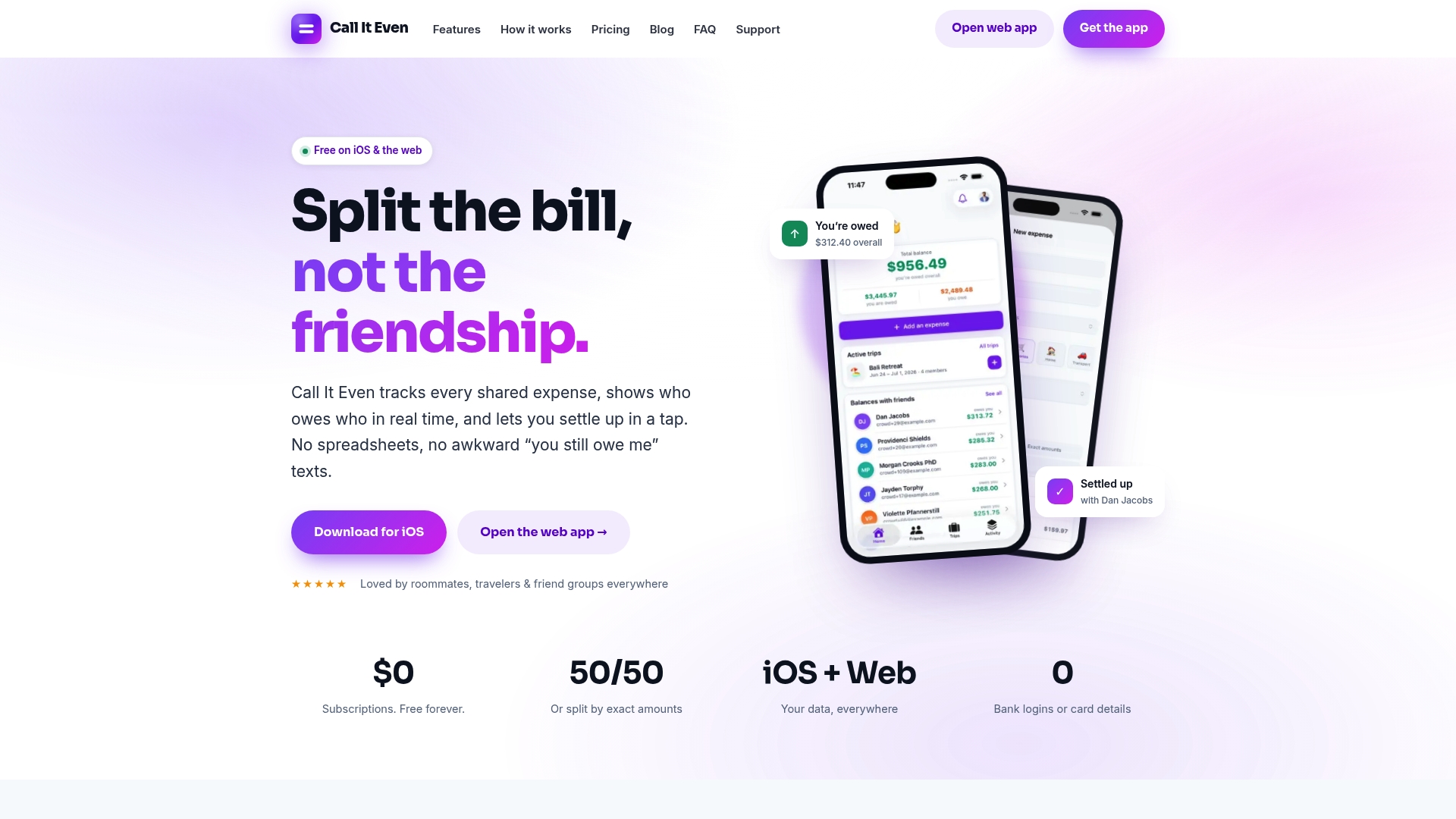
The app gives every group member real-time access to balances, supports flexible splitting by equal shares or custom amounts, and never asks for bank details. Settlement is as simple as checking the scoreboard and paying whoever you owe. No fees, no transfers handled by the app, no privacy concerns. If you want a stress-free way to handle shared costs without spreadsheets or arguments, Call It Even is the place to start. Track shared expenses with your group today and see how fast the money conversations disappear.
FAQ
What is expense visibility for groups?
Expense visibility for groups means every member has clear, shared access to all costs, who paid, and what each person owes. It creates a single record everyone can trust.
How does expense transparency prevent group conflicts?
When all spending is visible in real time, there is no room for misunderstandings about who paid what. Disputes drop because the numbers are available to everyone equally.
What is the fastest way to improve group budget visibility?
Using a dedicated expense tracking app that updates in real time is the fastest fix. It removes manual math and gives every group member the same current picture of shared costs.
Do expense tracking apps work for roommates and travelers?
Yes. Apps like Call It Even handle both recurring household bills for roommates and multi-day trip expenses for travelers, with flexible splitting options for each situation.
Why do groups without expense tracking end up in disputes?
Without a shared record, costs get forgotten, contributions become unequal, and no one has a reliable reference point. That ambiguity is the root cause of most group money arguments.